What it shows
The plan your surgeon proposes, on your face and from every angle. The typical course of recovery, stage by stage.
For patients
Rhinovate is used by surgeons during the consultation. You see the proposed nose in 3D, on your own face, and how your recovery is expected to unfold, before you decide.
Everything happens with your surgeon, during a normal consultation.
Your surgeon's team scans your face with an iPhone while you turn your head through five positions. No special equipment is involved.
You and your surgeon look at the proposed change together, from every angle.
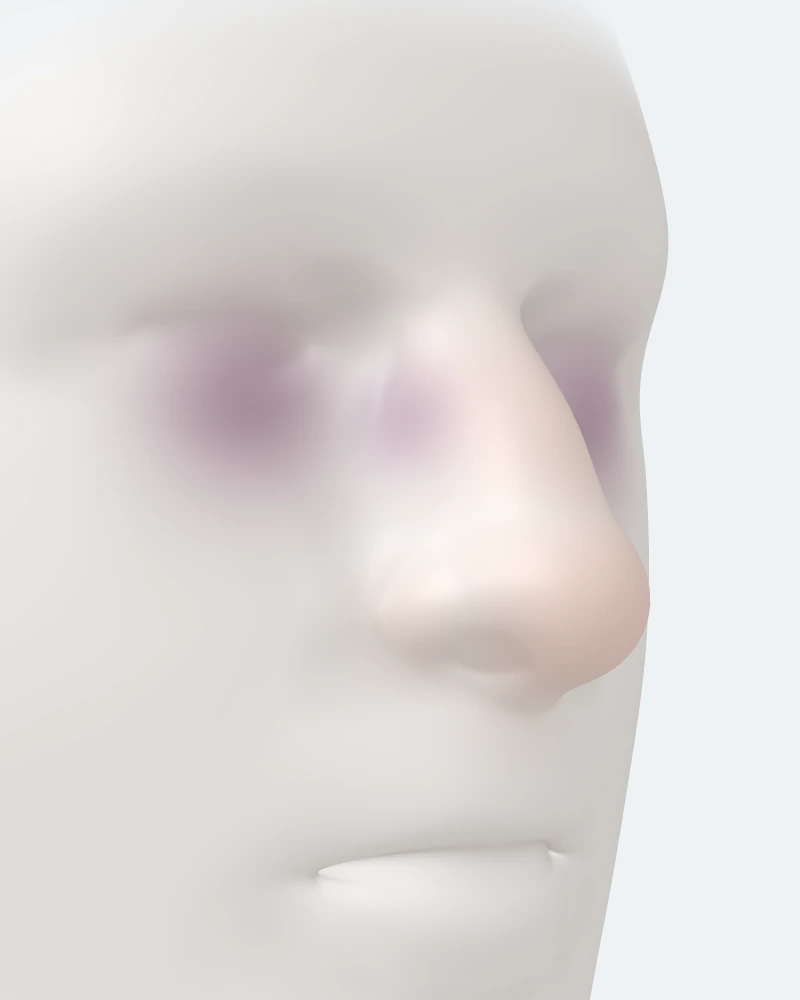
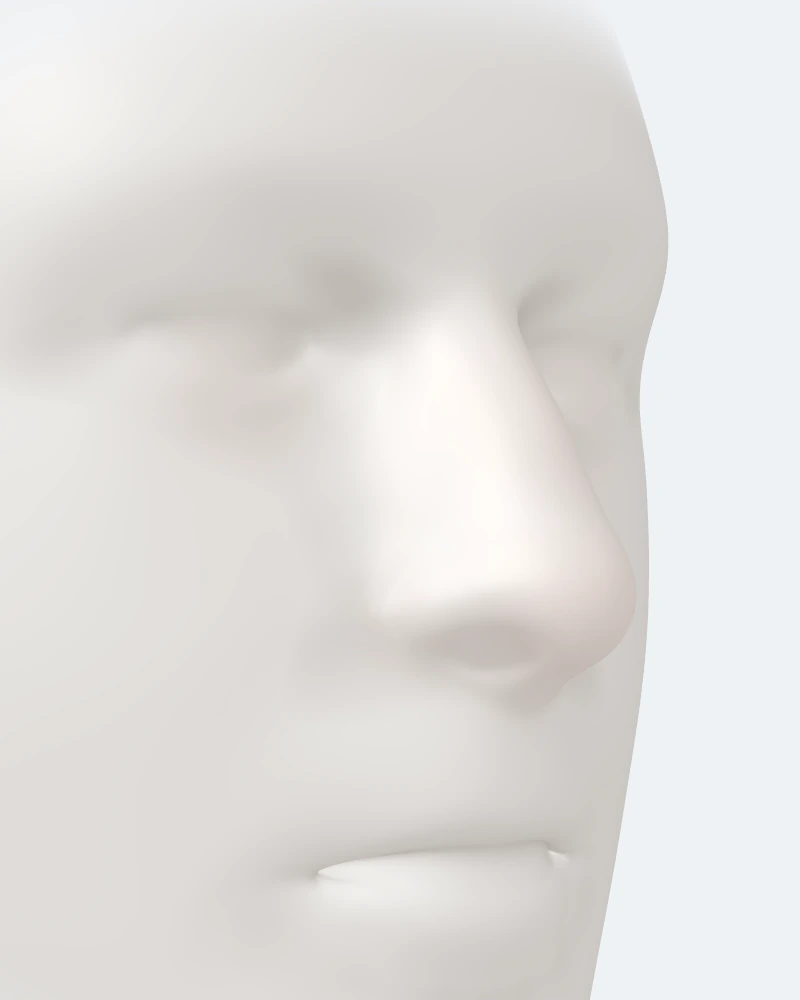
You see how swelling and bruising are expected to evolve on the planned nose, so the first weeks hold fewer surprises.
You decide with a clear picture of the plan and of the recovery.
Your surgeon shapes the plan on a 3D model of your face. You compare it with your nose today, side by side, before anything is decided.
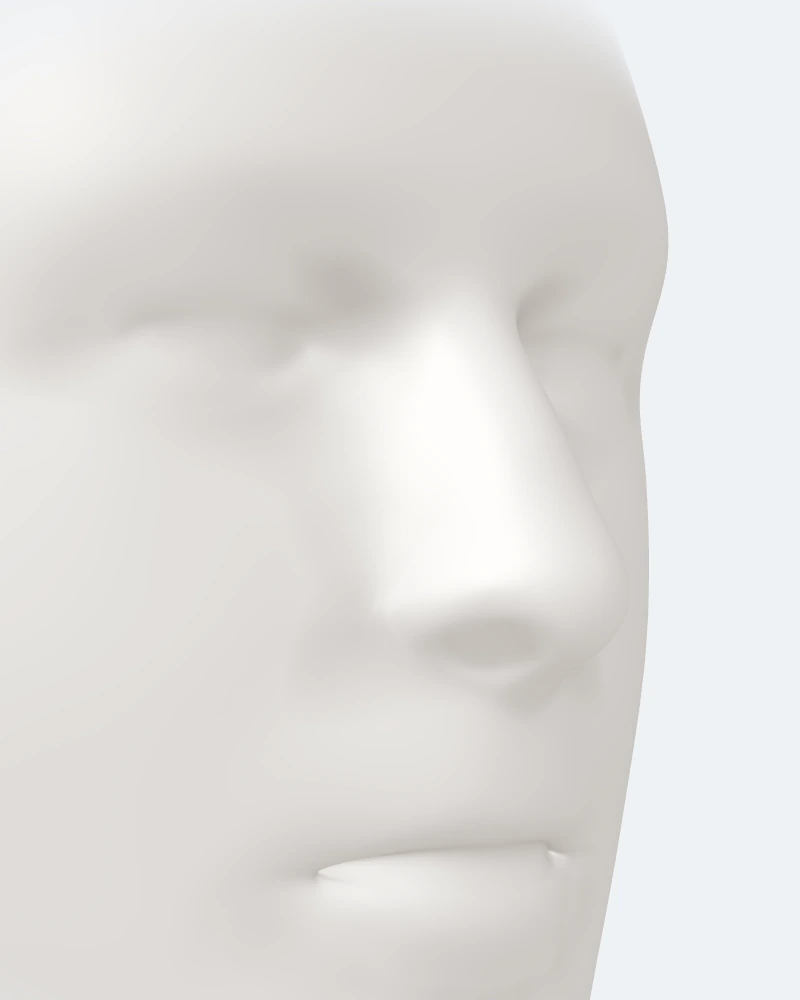
Demo face shown here. Your simulation uses your own scan.
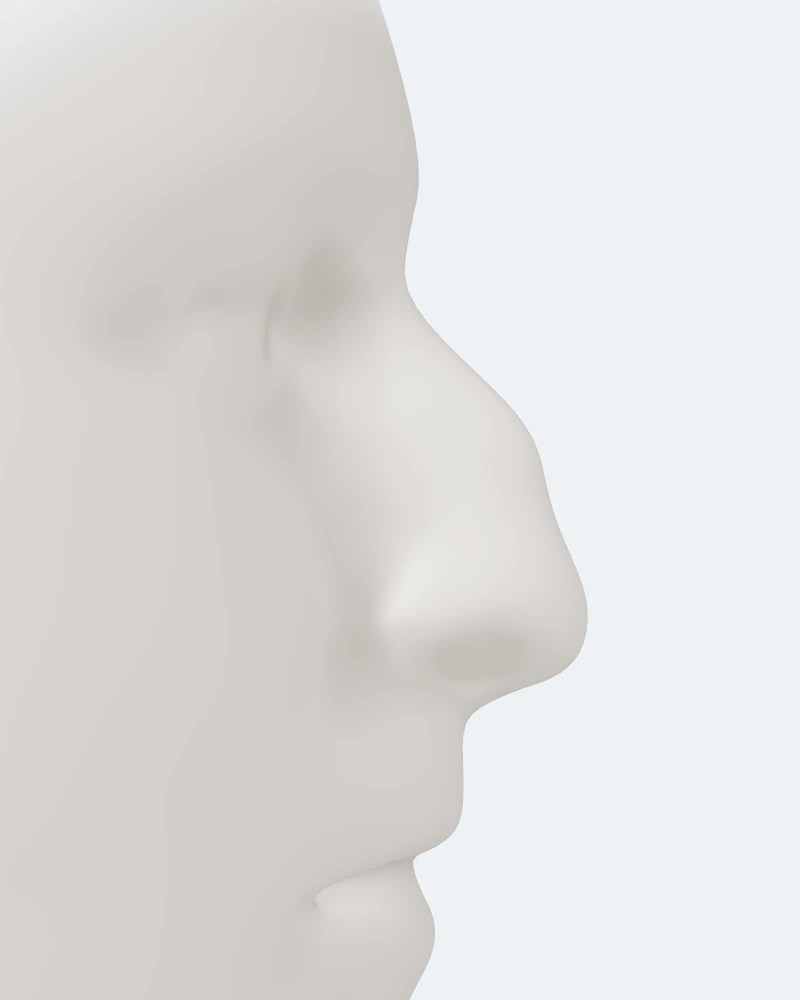
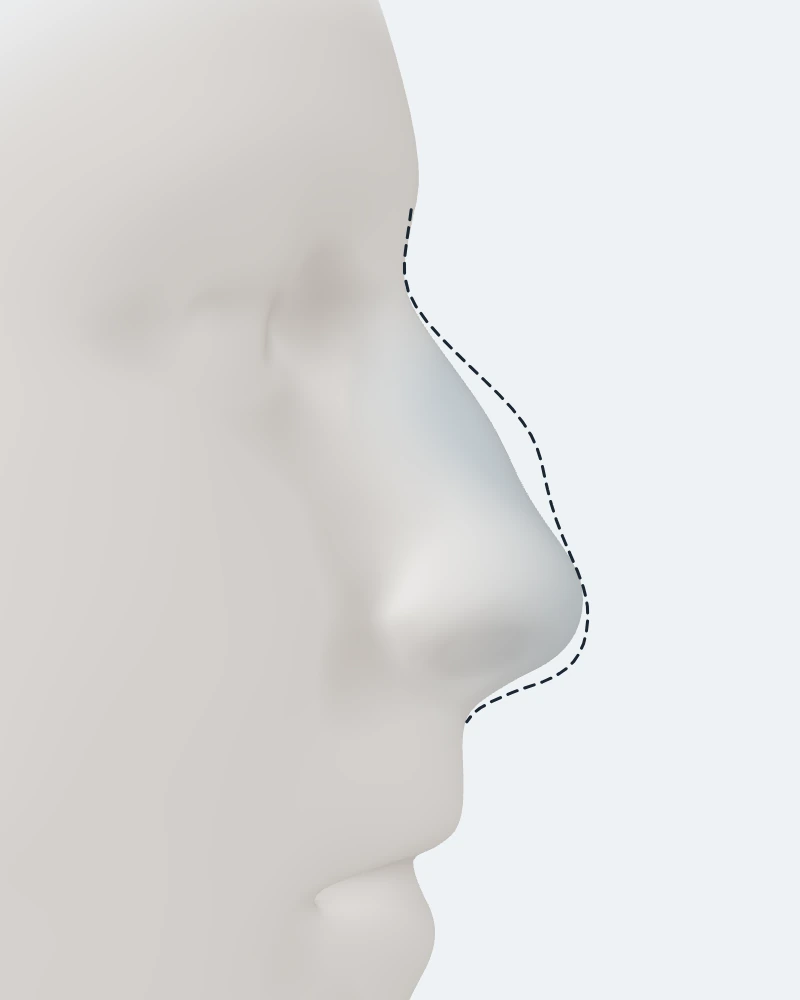
The plan your surgeon proposes, on your face and from every angle. The typical course of recovery, stage by stage.
It does not promise a result, and it does not replace your surgeon's advice. Your final result depends on your anatomy and on how you heal.
Swelling peaks in the first days and eases over the first month. At the tip, it can stay for up to a year. Seeing it in advance helps you recognize what is normal.
Not yet. Rhinovate is offered through surgeons. Join the waitlist and we will tell you when you can try it.
No. It helps you and your surgeon talk about the same result. Only your surgeon can tell you what is possible for your nose.
No simulation is. It shows a plan and a typical recovery, which is why every image is labeled as an estimate.
Rhinovate is offered through surgeons. Leave your email and we will let you know when you can try it.